


Can I Shave My Double-Coated Pet to Stop Excessive Shedding?
As summer approaches, many pet parents find themselves in an endless battle against floating fur. Watching your heavy-coated dog pant heavily or sweeping up endless tumbleweeds of cat fur leads to a common temptation: shave double-coated pet coat layers completely to stop the mess. It seems like a logical, easy **pet shedding solution**, right? Many believe that stripping away the dense fur will instantly cool the animal and put an end to the seasonal blowing. However, this well-intentioned quick fix can accidentally disrupt your pet's natural biological defense system, leading to long-term health and skin complications.

Understanding the Double Coat: Nature's Built-in Thermostat
Before reaching for **pet clippers**, it is vital to understand the biological composition of a double coat. Breeds like Golden Retrievers, Huskies, Pomeranians, and Maine Coon cats possess two distinct layers of fur that work as a unified system. The outer layer consists of coarse, weather-resistant "guard hairs" that shield the skin from moisture, dirt, and harmful UV rays. Beneath this sits the soft, dense "undercoat," which naturally traps air to create an evolutionary insulation barrier.
This natural barrier does not just keep your pet warm during freezing winters—it actively prevents heat waves from reaching their skin during the peak of summer. Think of it as high-end insulation for a modern house; it keeps the interior climate regulated regardless of external shifts. When your pet blows their coat seasonally, they are already shedding their dense winter undercoat to prepare for warmer weather, leaving the protective guard hairs perfectly intact to act as a cooling shade canopy.

The Hidden Dangers of Shaving Your Double-Coated Pet
So, can you shave a double-coated pet to combat heavy shedding? The short answer from veterinary experts is a resounding **no**. Shaving down to the skin strips away their thermal defenses, rendering them highly vulnerable to heatstroke, environmental allergens, and severe sunburns. Without the shielding protection of guard hairs, solar radiation penetrates directly to their pale, delicate skin.
Furthermore, close shaving can cause permanent damage to the hair follicles, a condition known as **clipper alopecia**. When the coat eventually struggles to grow back, the fuzzy undercoat often returns much faster than the slow-growing guard hairs. This creates a patchy, tangled texture that actually traps more heat, collects more debris, and results in an even worse **pet shedding solution** nightmare than before. Your pet's natural immunity drops, and their long-term skin health becomes heavily compromised.
Debunking the Top 3 Grooming Myths
Let's break down the most common misconceptions held by global pet parents regarding close-shave coat management.
Myth 1: "It makes them feel cooler."
Without guard hairs, the hot sun beats directly on their skin, causing their internal core temperature to rise faster, increasing heat stress.
Myth 2: "It stops shedding completely."
Shaving only cuts the shafts shorter. They will still shed, but instead of long hairs, they will drop sharp, prickly micro-hairs that lodge into carpets.
Myth 3: "The coat always grows back fine."
follicle damage often triggers uneven regrowth, leaving the coat permanently coarse, easily matted, and physically altered for years.
The Golden Rule: Shaving vs. Moderate Trimming
While shaving down to the skin is unsafe, moderate tidying and sanitary maintenance are highly beneficial. There is a distinct line between stripping a double coat and executing safe, tactical hygiene trims. Using professional-grade **pet grooming clippers** to tidy up the messy furnishings around the hocks, underline belly area, and tail keeping them neat is perfectly safe and keeps them looking sharp.
When performing light, aesthetic home styling, always prioritize using a highly precise **pet hair trimmer** fitted with protective plastic snap-on guard combs. This ensures you only trim the overgrown tips of the flyaway guard hairs without ever touching or disturbing the structural undercoat layer beneath. It keeps your pet hygienic, clean, and free of tangled outdoor brush while preserving their biological armor.

Groom Safely with PetPatLife Engineered Tools
At **PetPatLife**, we advocate for a mindful, "Pets First" approach to domestic maintenance. Our collection of specialized tools is designed to facilitate safe, easy grooming without compromising your pet's natural fur structure or delicate skin barriers.
Quiet Pet Clippers
Whisper-quiet operations below 45dB with precision safety-rounded ceramic blades for premium full-body deshedding styling.
View Clippers
Pet Hair Vacuum
Integrated suction technology that captures up to 99% of loose, blown undercoat layers instantly right at the source.
View VacuumPrecision Trimmer
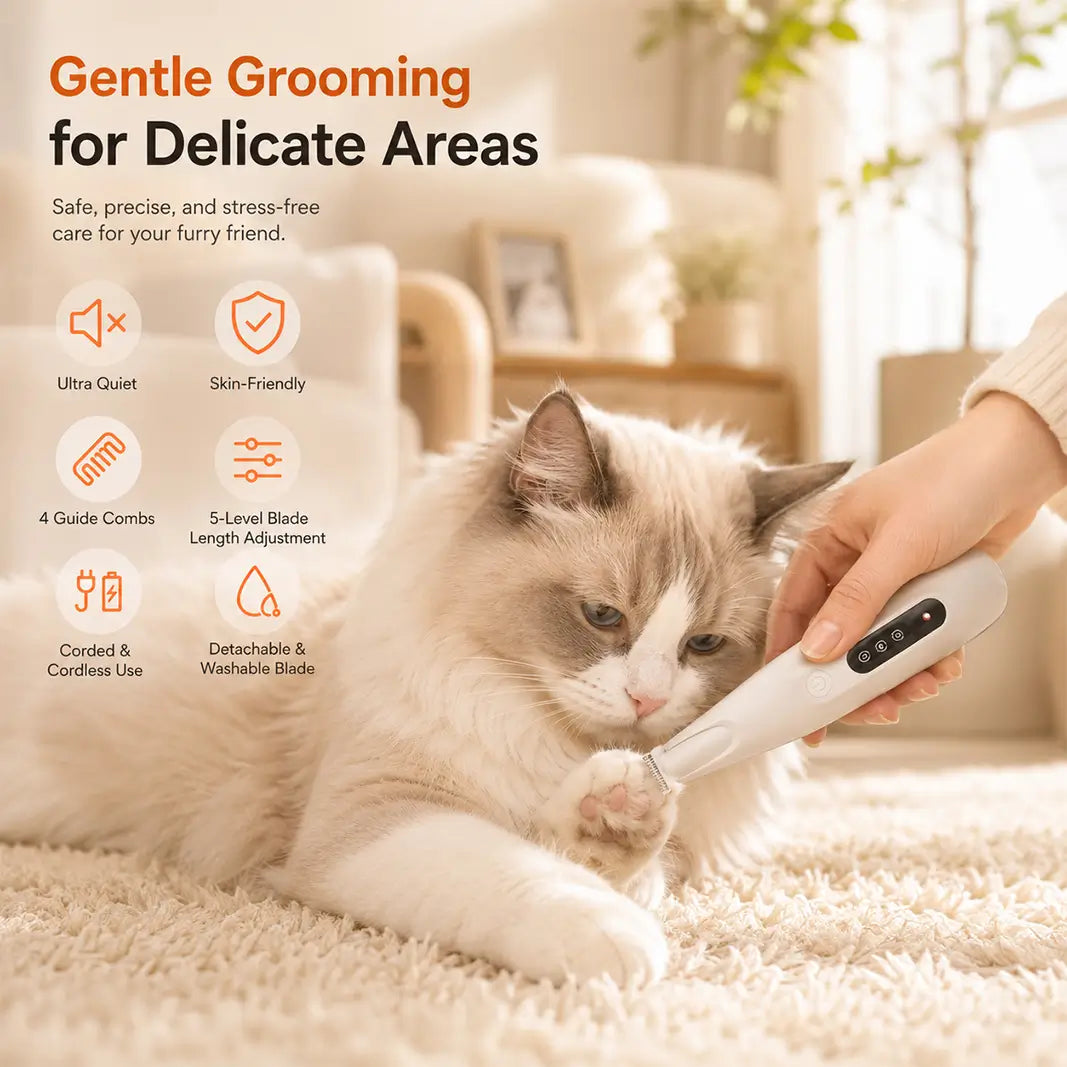
Ultra-narrow micro-blade configuration engineered safely for tight hygiene spots, facial cleaning, and toe bean tracking.
View TrimmerHow to Control Excessive Shedding Scientifically
If shaving is out, what is the optimal **pet shedding solution**? Managing an active seasonal shed requires proactive coat release and healthy cellular support:
1. Consistent Line Brushing: Use an undercoat rake or a high-quality slicker brush daily. Brushing lifts out the dead, trapped undercoat fibers before they drop onto your furniture, facilitating smooth airflow down to their skin surface.
2. High-Quality Omega Fatty Acids: Feed a diet rich in Omega-3 and Omega-6 fatty acids (like wild salmon oil). This reinforces hair follicles, reduces dry dandruff, and controls non-seasonal fallout by supporting root cellular health.
3. Deep Hydration Baths: Use a specialized deshedding shampoo and conditioner during bath sessions. The conditioner helps loosen the dead undercoat, which can then be captured cleanly using an integrated home vacuum kit.

Shedding & Grooming FAQ
It can take anywhere from 6 to 18 months for a shaved double coat to restore completely. During regrowth, perform daily brushing and provide omega supplements to support follicular recovery and prevent severe matting.
Pair daily line brushing with an efficient **pet hair vacuum** routine. Grooming your pet while directly using a vacuum attachment stops loose undercoat flyaways from settling into your upholstery.
Yes. High-end **quiet pet clippers** utilize heavy-duty brushless motors that deliver maximum SPM (Strokes Per Minute) to glide through dense fur while maintaining an acoustic level well under 45dB.
Yes, absolutely. Overgrown paw hair traps moisture, dirt, and bacteria, causing slipping on hardwood floors. Trimming pad fur cleanly with a targeted **pet hair trimmer** is vital for baseline **pet hygiene**.
Embrace the Power of Mindful Care
Managing a heavy-shedding pet doesn't require drastic measures that threaten their biological wellness. By replacing the traditional shave with scientific brushing and light, targeted maintenance trims, you protect your companion's natural defenses while keeping your home pristine.
Ready to experience stress-free home care? Explore our innovative collection today.


